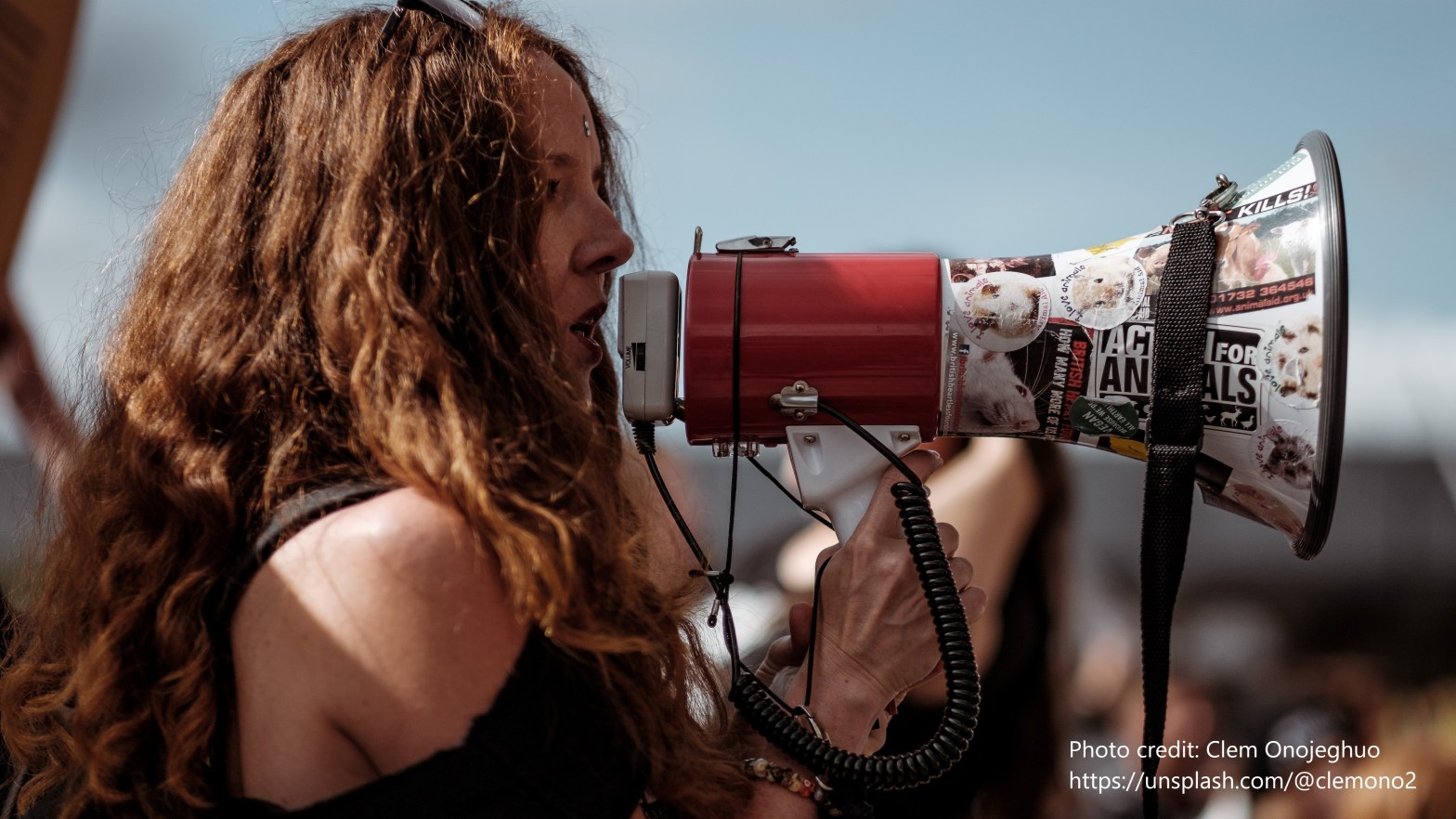
Seattle’s role in the Black Lives Matter (BLM) movement, and specifically the Capitol Hill Organized Protest (CHOP/CHAZ) zone has featured heavily in national news lately. They are raising important issues and pushing for real change, which you can read more about here.
But I’ve noticed something else which sits uncomfortably.
Capitol Hill, the neighborhood at the epicenter of Seattle’s BLM protests and CHOP/CHAZ, is only 2% black. And Seattle as a whole is only 6% black, the lowest level it’s been in 50 years. Even notable black leaders in Seattle, Ijeoma Oluo and Nikkita Oliver, are half-white, as is the cofounder of Seattle’s BLM chapter, Marissa Johnson. The city, Oluo eloquently writes, is quite simply “drowning in whiteness“. And yet, it’s doing some great work to bring attention to Black Lives Matter.
Which is to say, white activism is undoubtedly a critical part of the fight against racism. At the very least because systemic racism in our country is a problem created by whites in the first place, but also because our nation is still a democracy and majority white. We need solidarity and conscientious white voices to advance change throughout our laws and institutions. So, thank you, Seattle.
But let me also speak plainly: something about white activism here smacks of a White Savior Complex. That energy is not necessarily a bad thing. It contributed to some of the most impactful changes towards BIPOC, such as abolitionism which ultimately helped end slavery in the United States and the European colonies. It’s also responsible for colonialism in the first place and the reprehensible belief that it is the moral duty of “civilized” people to bring enlightenment to “savages”. We must come to grips with the self-righteousness and double-edged sword of such white activism.
The racial politics in Seattle lend to a White Savior Complex because it’s a city that remains very self-righteous but rather white and academic in its understanding of what BIPOC go through. It also has a remarkable, commendable history fighting for LGBQT freedoms that borrows much and has much to give back to BIPOC civil rights movements. This combination fuels a particular brand of white activism, which can be a powerful catalyst for change — as well as a misguided one if done without deep introspection and clear ownership of whose views they represent.
A few weeks ago, #BlackoutTuesday became a teachable moment for how well-intentioned but misguided white allyship can be. #AmplifyMelanatedVoices and #ShareTheMic emerged as better alternatives that elevate BIPOC voices, but even those feel like they sidestep some important work white people need to do.
Here’s why.
BIPOC are a multitude. We do not speak with one voice but with many — from Alicia Garca who addresses economic inequalities, Cory Booker who pursues legisation on prison reform, Nikkita Oliver who calls to Defund the Police, Ibram X. Kendi and Ijeoma Oluo who use the power of words to educate, Andre Taylor and Rep. Karen Bass who have been accused of working too closely within existing institutions, Carmen Best and Jackie Lacey who are the police state, and even Clarence Thomas who is steeped in conservative lore — to name just a few and say nothing of Indigenous and other POC voices. That such diverse voices should exist is not only okay but is healthy and reflects the richness of BIPOC experiences, perspectives, and needs.
The problem arises when white activists speak of amplifying BIPOC voices but end up choosing from the ones that merely amplify their own while conveniently ignoring others. Or they amplify certain BIPOC voices when it fits the narrative they agree with while casually ignoring those same people when they don’t. Those make for especially good memes, as anyone who follows Kayne West or Michelle Obama knows. Selectively choosing which BIPOC voices to amplify isn’t a necessarily a problem unto itself, but it’s intellectually dishonest in that often when white people say they’re amplifying BIPOC voices, what they’re really doing is finding a socially acceptable — and even celebrated — way to amplify their own.
The harm that this does is that it runs the risk of granting white people a free pass to call it a day’s work in what amounts to little more than performative allyship without putting vulnerable words to their own beliefs and accountability for how racism plays out in their own lives. At its worst, I’ve even seen white people amplify BIPOC voices to pummel other white people — and even BIPOC — for being wrong without much self-introspection in what really just amounts to another form of smug white supremacist self-righteousness leveraging BIPOC voices as justification. Conservatives have had a ball using Candace Owens in this manner, but white liberals would be short-sighted to think that they don’t do it too.
Caught between pressures that they speak too much or too little, it is almost understandable that it can be hard for white people to find their own voice in the national conversation around race. But there are white people like Christian Piccolini and Robin DiAngelo doing powerful and vulnerable work using their own words and experiences to stand alongside BIPOC and fight racism. We need more like them, in ways big and small, on the national stage and within inner social circles.
Here are three suggestions for how you can balance the beauty of amplifying BIPOC voices with finding your own:
First, keep seeking and amplyfing marginalized voices. The deck is already stacked against BIPOC, and your white-majority and privileged platforms are still much needed to make sure we’re heard in the back. Keep learning from and amplifying BIPOC voices that you have educated yourself on and that you stand in solidarity with.
Second, don’t just amplify voices and call it day’s work. Take time to reflect –really reflect — on how those BIPOC voices you’re amplifying applies to things that you’ve seen, said and done in your own life and amongst your own friends. It is one thing to echo and agree with BIPOC voices about systemic racism and white fragility; it’s quite another to count off times past, present and future when you or your friends may have been complicit.
Finally, find the courage to speak and be in alignment with your own voice. Yes, yours may be a white voice, but it’s an important one and it matters. Recognize that whether you use your own words or amplify someone else’s, it’s ultimately your beliefs that you’re promoting. So take full ownership and accountability for that voice in all its messy contradictions and loose ends. Have compassion for yourself along the way, because you’ll get it wrong at times. That’s okay. Apologize and keep going. Have the integrity to follow through with action, to put your money where your mouth is, so that the beliefs you espouse and the life you live remain in close alignment.
If that sounds like exhausting and dangerous work, welcome to the world of social justice beyond performative allyship. Don’t be daunted. It’s worth the fight.
 We Can't Go Back
One thought on “Owning Your Own Voice Against Racism”
Comments are closed.